Printer Fleet Management vs In-House Management: Which Is Right for Your Organisation?
Published: 15 Dec
Managing printers is rarely high on anyone’s priority list, until costs start creeping up, devices fail without warning, or staff productivity grinds to a halt. For SMEs, schools, and overstretched IT teams, printing can quietly become a significant drain on both budgets and time.
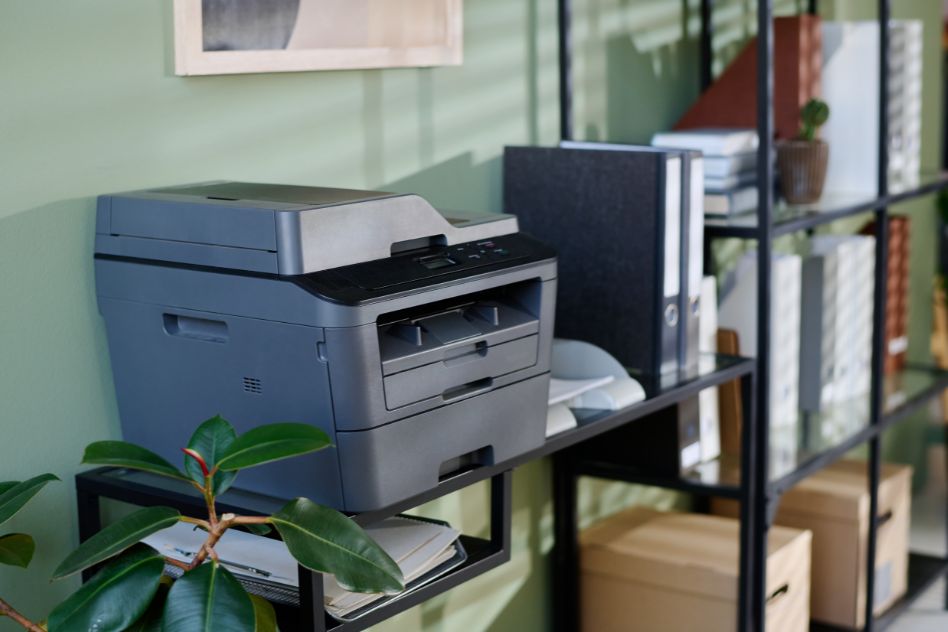
This is why the choice between printer fleet management and in-house printer management deserves careful consideration. Each approach has its merits, but the right option depends on how your organisation operates, how heavily it relies on print, and how much internal resource you can realistically dedicate to managing it.
This article explores both models in detail, outlining the practical, financial, and operational factors that matter most. Whether you run a small office, a multi-site organisation, or an education environment, understanding these differences can help you reduce waste, control costs, and improve reliability.
What Is Printer Fleet Management?
Printer fleet management, often delivered through Managed Print Services (MPS) or Managed Print Solutions, involves outsourcing the day-to-day oversight of your printers to a specialist provider.
Rather than reacting to problems as they arise, this model takes a proactive, data-driven approach to printing across your organisation. A typical printer fleet management service includes:
- Continuous monitoring of printer usage and performance
- Automatic replenishment of toner and consumables
- Preventative maintenance and rapid repairs
- Optimisation of device numbers, types, and placement
- Detailed reporting on print volumes, costs, and trends
The goal is simple: ensure the right devices are in the right places, running efficiently, with minimal disruption to users and predictable costs for the organisation.
What Is In-House Printer Management?
In-house printer management means your internal team is responsible for everything related to printing. This is often the default approach, particularly for smaller organisations or those that have grown organically over time.
Responsibilities typically include:
- Selecting, purchasing, and installing printers
- Managing toner, paper, and other consumables
- Troubleshooting faults and arranging repairs
- Tracking print usage and costs—often manually
While this approach offers direct control, it also places ongoing demands on staff time. In many cases, printer management falls to IT teams or administrative staff who already have competing priorities. What seems manageable at first can quickly become inefficient as print volumes increase or devices age.
Key Considerations When Comparing the Two
1. Cost Control and Transparency
At first glance, in-house management can appear to be the cheaper option. Printers are purchased outright, and costs are spread across ad hoc repairs and consumables. However, this model often hides inefficiencies.
Emergency call-outs, inconsistent pricing for supplies, over-ordering toner “just in case”, and poorly matched devices can all drive up costs over time. Without accurate data, it’s difficult to know where money is being wasted.
Printer fleet management offers far greater cost transparency. Usage data highlights inefficiencies, underused devices, and unnecessary printing. Monthly costs are predictable, and fleets are right-sized so you’re not paying to maintain equipment that isn’t adding value. Many organisations see measurable savings once inefficiencies are addressed.
2. Time and Resource Pressure
Printer issues are rarely complex, but they are persistent. Paper jams, error codes, empty toner cartridges, and driver issues can all disrupt the working day.
In an in-house model, these problems often fall to internal IT teams, school business managers, or office administrators. Each interruption pulls focus away from strategic work, teaching support, or core business activities.
With managed print services, this burden is transferred to a specialist provider. Support is structured, consistent, and governed by service-level agreements. Internal teams gain back time, while users benefit from faster resolution and fewer recurring issues.
3. Scalability and Flexibility
Organisations rarely stand still. Headcounts change, new sites open, hybrid working increases, and curriculum or operational demands evolve. Print requirements shift accordingly.
In-house printer setups often struggle to adapt. Devices are added reactively, leading to inconsistent models, uneven workloads, and rising maintenance costs.
Printer fleet management is designed to scale. Providers regularly review usage patterns and adjust the fleet as needed—adding capacity where demand is high, consolidating devices where usage has dropped, and ensuring your print environment evolves alongside your organisation.
4. Reliability and Downtime
Printer downtime is more disruptive than many organisations realise. In schools, it can delay lesson materials and exams. In offices, it can stall workflows, invoicing, or customer communications.
With in-house management, issues are often addressed only after a device has failed completely. Repairs may depend on part availability or third-party call-outs, extending downtime.
Managed print solutions use remote monitoring tools to detect issues early. Preventative maintenance reduces the likelihood of failures, and fast response times help keep devices operational when they’re needed most.
5. Sustainability and Compliance
Environmental responsibility is no longer optional. Organisations are increasingly expected to reduce waste, improve energy efficiency, and demonstrate responsible resource use.
In-house printer management often lacks the data required to measure or improve environmental performance. As a result, unnecessary printing and inefficient devices can persist unnoticed.
Printer fleet management supports sustainability by:
- Reducing unnecessary and duplicate printing
- Consolidating outdated or inefficient devices
- Improving energy efficiency across the fleet
- Supporting alignment with UK government digital and waste reduction guidance
Providers can also supply reports on usage and environmental impact – something many SMEs and schools struggle to produce independently.
When In-House Management May Still Make Sense
In-house printer management can still be appropriate in certain scenarios, particularly where complexity is low. It may work well if:
- Print volumes are very low
- The organisation operates from a single, small site
- Specialist internal expertise is already in place
- Printing is non-critical to daily operations
Even in these cases, periodic external reviews or print audits can uncover inefficiencies and prevent costs from escalating over time.
Choosing the Right Print Strategy
There is no one-size-fits-all answer. The right approach depends on your organisation’s size, structure, and reliance on printed materials.
For many SMEs, schools, and multi-device environments, printer fleet management delivers greater control, reduced risk, and long-term cost savings. It transforms printing from a reactive nuisance into a managed, measurable service.
A sensible first step is gaining a clear picture of how your current print environment is performing—something that’s difficult to achieve without expert insight and accurate data.
Take the Next Step
If you’re unsure whether printer fleet management is right for your organisation, a professional review can quickly clarify your options.
Request a print audit from the team at Apple Office Equipment to identify inefficiencies, reduce costs, and improve reliability. Or contact us to discuss managed print services tailored to your organisation.
